Drive Systems
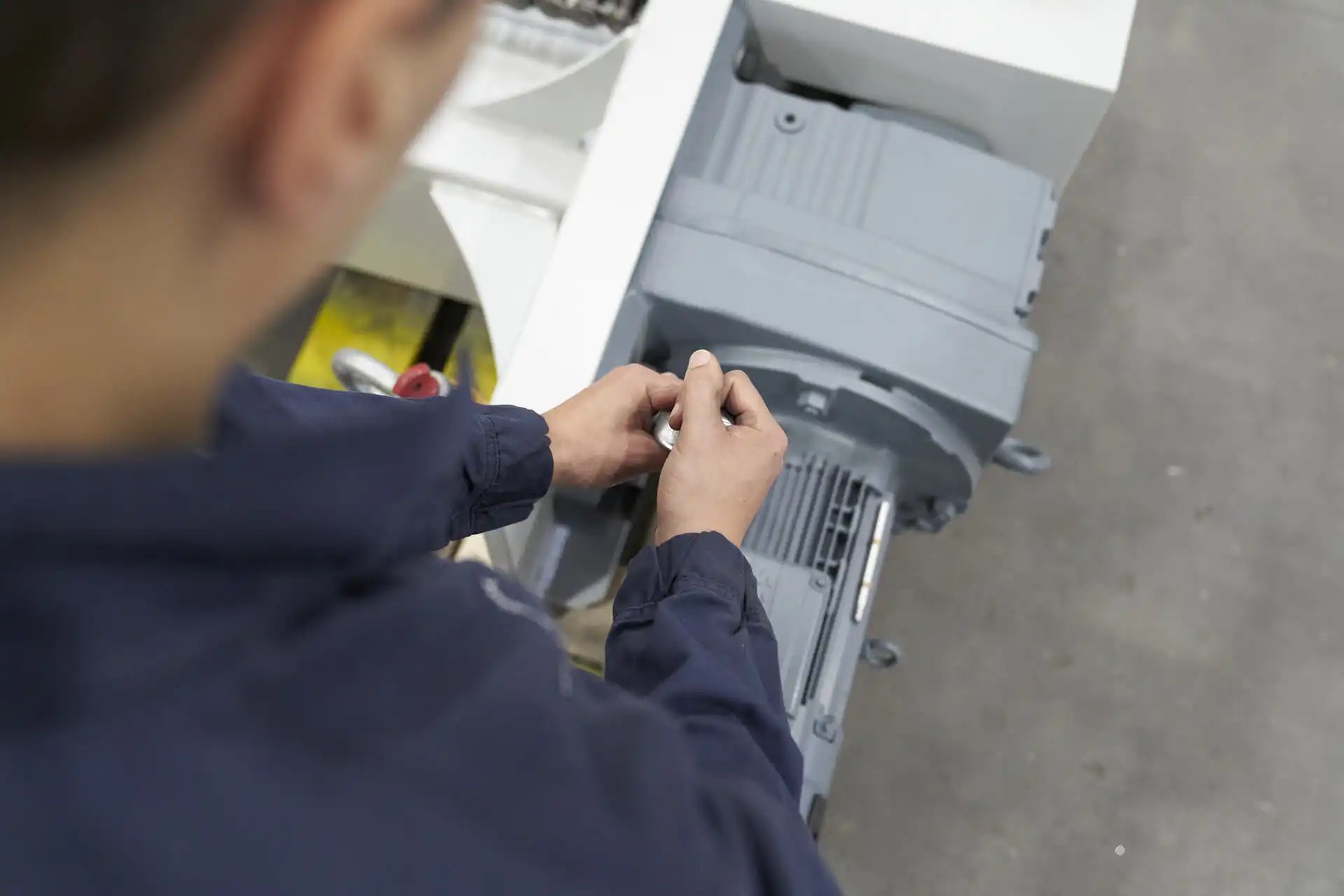
Drive systems are a central component in many industries and play a crucial role in industrial applications. They enable the movement of machines and equipment, which is essential for efficiency and productivity in production. Drive systems consist of a variety of components, including motors, gearboxes, and control systems, which work together to ensure precise and effective movement.
What is meant by a drive system?
Drive systems play a central role in material handling and have a significant impact on the efficiency and safety of industrial processes. They are responsible for the movement of goods in various applications, from conveyor systems and assembly lines to automated storage facilities.
Functions of Drive Systems
A drive system optimizes material flow, minimizes downtime, and increases productivity. Furthermore, drive systems are crucial for workplace safety as they enable precise control of movements, help prevent collisions, and improve the ergonomics of workflows. Selecting the right drive system is therefore not only a technical challenge but also a strategic decision that can have significant impacts on the entire production chain.
Drive systems in individual handling systems for every application
At ALFATEC, we develop custom handling systems tailored specifically to the requirements of our clients. Our solutions integrate powerful drive systems that enable precise and safe movement of materials.
Through close collaboration during the planning phase, we ensure that these systems are seamlessly integrated into your existing production lines. Let’s work together to create a handling system that optimizes your processes and leverages the benefits of cutting-edge conveyor technology.
What is part of the drive?
Drive systems are complex systems that consist of several key components working efficiently together to transmit motion and power. The following outlines the main components in more detail:
Motors: The Heart of the Drive System
Motors are the central elements of a drive system, as they convert electrical or mechanical energy into motion. While electric motors are the most common choice, hydraulic and pneumatic drives are also used, depending on the specific requirements of the industry.
Gearboxes: Adjusting Torque and Speed
The gearbox plays a crucial role in transmitting the rotational motion generated by the motor. It adjusts the speed and torque and consists of components such as gears, belts, and chains, which are carefully selected to maximize efficiency and minimize wear.
Control Systems: Precise Regulation for Optimal Performance
Control systems are essential for the precise control of drive systems. They consist of sensors, control units, and software, enabling the monitoring and optimization of the system’s performance. This ensures that material flow and movement meet the specific requirements of the application.
Transmission Mechanisms: Pathways for Power Transmission
Connection elements, such as shafts and tubes, are responsible for connecting the various components of a drive system. They must be carefully selected to meet the requirements for load capacity and flexibility, as they are crucial for the efficiency of the entire system.
Couplings: Flexible Connections Between Drive Components
Couplings are mechanical components used to connect two shafts and enable flexible torque transmission. They are important for damping vibrations and ensuring smooth operation of drive systems.
Drive Media: The Transmission Elements
Drive media are the elements that transmit motion within a drive system, including belts, chains, spindles, and ropes. The correct selection of drive media is crucial for the efficiency and reliability of the system, as it impacts maintenance efforts and extends the lifespan of the equipment.
How does a drive system work?
Drive systems are responsible for converting energy into motion and play a central role in many industrial applications. The process begins with the energy source, which can be in the form of electrical, hydraulic, or pneumatic energy. This energy is then converted into mechanical motion by the motor.
Generation of the Required Motion through Various Mechanisms
Once the motor is activated, it generates the necessary motion through rotational force. In hydraulic drives, this occurs through fluid pressure. The generated motion is then transmitted through various transmission mechanisms such as gearboxes, belts, or chains, which ensure that the power and speed are adjusted to meet the specific requirements.
Precise Control for Maximum Efficiency and Safety
A key factor in the efficiency of drive systems is the precise control of motion. Control systems, consisting of sensors and control units, enable continuous monitoring and adjustment of speed and position. This accurate control increases efficiency and ensures the safety of the machines.
Diverse Drive Systems for Industrial Applications
Drive systems are crucial for the efficiency and functionality of machines in industry and can be divided into various types, each tailored to specific requirements.
Efficient Electric Drive Systems
The most common types include electric drive systems, which use electric motors to convert electrical energy into mechanical motion. These systems are characterized by high efficiency and precise control capabilities, which is why they are widely used in various applications such as conveyor belts, packaging machines, and automated production lines.
Powerful Hydraulic Drive Systems
Hydraulic drive systems, on the other hand, rely on the power of fluids to transmit energy and are particularly advantageous when high forces are required. These systems are commonly used in the construction and machinery industries, where heavy loads need to be moved. They not only provide high performance but also flexibility, although they require careful maintenance. By integrating precise drive units, exact control over movements is ensured, which significantly optimizes production processes.
Spindle Drives: Precision for Linear Movements
Spindle drives are a preferred choice for custom handling systems that require precise and controlled linear motion. These drive systems convert the rotational motion of a motor into exact linear movement. They are especially useful in applications that require high positioning accuracy, such as CNC machines or automated production lines. Due to their ability to move heavy loads stably while ensuring precise control, spindle drives are crucial for the efficiency and safety of handling systems. Their integration into complex systems can be complemented by safety nuts to prevent unexpected movements and enhance operational safety.
Cable Drives: Versatility for Flexible Applications
Cable drives are highly versatile drive systems used in handling systems to efficiently move loads. They utilize flexible cables to transmit forces, making them ideal for both vertical and horizontal movements in applications such as elevators, cranes, and automated storage systems. Their high load capacity and flexibility allow for the safe and precise handling of loads, which is particularly beneficial in dynamic production environments. The ability to integrate cable drives into custom handling systems significantly improves the ergonomics and efficiency of material movement.
Belt Drives: Gentle Handling of Materials
Belt drives are specifically designed for the gentle and careful movement of materials in handling systems. These drive systems use flexible belts that enable continuous motion without damaging the transported goods. They are commonly used in food processing, the assembly of sensitive components, and sorting facilities, where product integrity is a top priority. Belt drives not only provide a reliable transportation solution but also help reduce noise and vibration, improving the working environment.
Fast Pneumatic Drive Systems
Pneumatic drive systems use compressed air to generate motion. Their speed and flexibility make them ideal for automated production lines, as well as packaging and sorting systems. While they are lightweight and easy to handle, their performance can be limited by the availability of compressed air.
Mechanical Drive Systems: Chain, Timing Belt, and Rack Drives
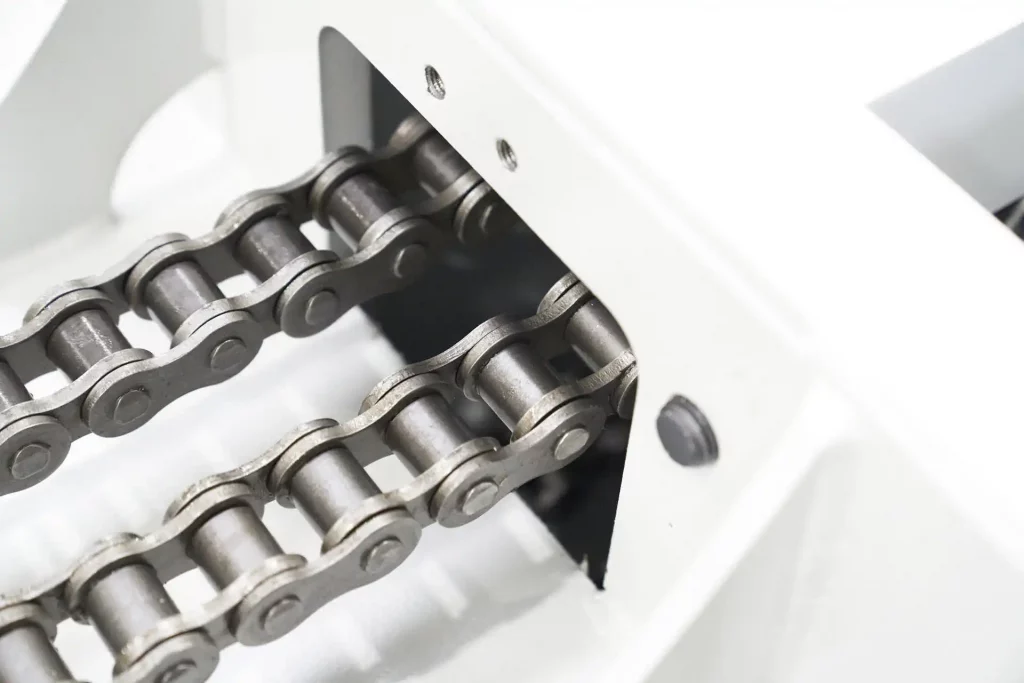
Mechanical drive systems play a crucial role in custom handling systems, as they enable the reliable transmission of motion and power. Chain drives are particularly robust and efficient, as they can transmit high torques. They are ideal for applications in conveyor systems and heavy machinery, where a strong and durable design is required.
Rack drives convert the rotational motion of a motor into linear motion and are perfect for precise positioning applications, such as those needed in automated storage systems and CNC machines. Timing belt drives, on the other hand, provide a quiet and efficient way to transmit motion. They are commonly found in packaging machines, where quiet and precise movements are important. These mechanical drive systems are crucial for optimizing production processes and contribute to efficiency and safety in industrial applications.
How to Ensure the Safety and Reliability of Drive Systems?
Safety mechanisms play a crucial role in drive systems, as they help prevent accidents and ensure the safe operation of machines. In modern industry, drive systems are often integrated into applications where humans and machines interact. Therefore, it is essential to implement safety measures to minimize potential hazards.
Importance of Safety Mechanisms
The safety of drive systems not only refers to protecting employees but also to preventing damage to equipment and materials. Safety mechanisms such as emergency stop buttons, overload protection, and safety shutdowns are crucial elements that must be integrated into the design of drive systems. These mechanisms ensure that in the event of a failure or malfunction, immediate actions can be taken to mitigate dangerous situations.
Examples of Safety Precautions
Emergency Stop Buttons: These buttons allow for the immediate shutdown of the drive system in the event of an emergency. They should be easily accessible and clearly marked to enable a quick response in critical situations.
Overload Protection: This mechanism protects the drive systems from overloads that could cause damage. By monitoring current and torque, the system can automatically shut down or reduce power to avoid damage.
Safety Shutdowns: Typically integrated into automated systems, these shut down the operation when safety-critical parameters are exceeded. They are crucial for preventing hazardous movements.
Drive Systems in Conveyor Technology
In conveyor technology, drive systems are essential for the efficient movement and handling of materials in industrial processes. They ensure that goods are transported smoothly and safely from one point to another, which is particularly important in logistics, the automotive industry, and food processing.
Adaptability and Integration
A key aspect of drive systems in conveyor technology is their ability to adapt to different requirements. This includes the ability to control the speed of the conveyor systems to optimize material flow, as well as the integration of sensors and control systems that enable precise monitoring and adjustment of operating conditions.
Conclusion
Drive systems are indispensable components of modern industrial applications that enable the efficient movement and handling of materials. By combining motors, gearboxes, control systems, and other key components, they ensure smooth operations across various sectors, from logistics to the automotive industry. The careful selection and integration of these systems are crucial for optimizing production processes and ensuring efficiency and safety.