Intralogistics
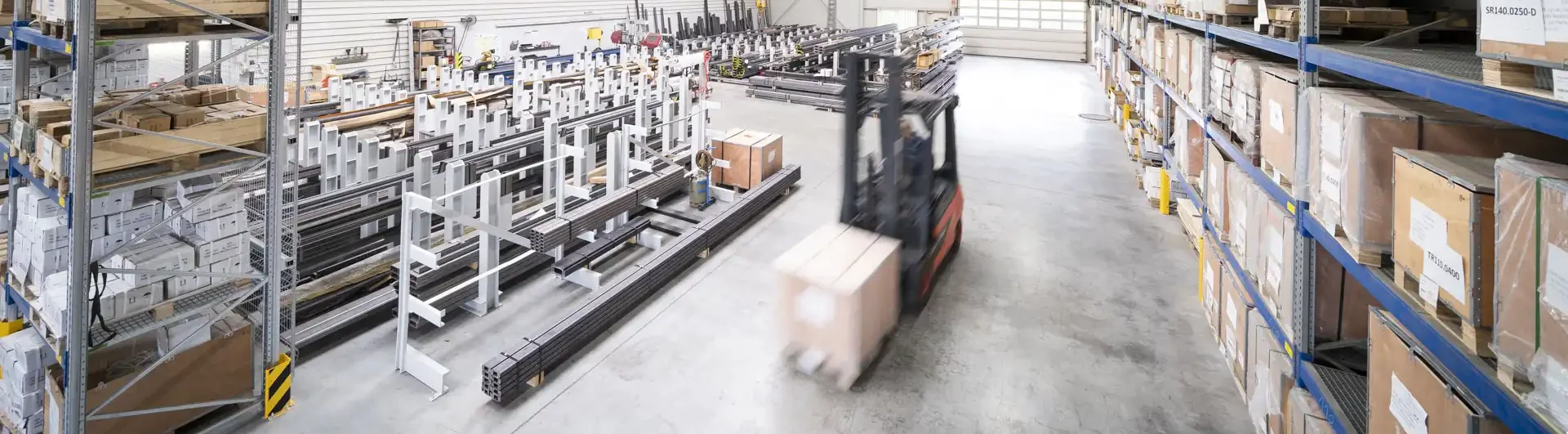
Modern technologies and automated systems play a crucial role in optimizing processes such as material flow. Intralogistics includes all logistical processes within a company and is thus an essential part of the operational value chain. It connects storage, transportation, and order picking, playing a central role in the efficiency and competitiveness of a company.
Definition: What is intralogistics?
The term “intralogistics” refers to the organization, control, execution, and optimization of material flow, information flows, and goods handling within industry, trade, and public institutions, according to the definition of the German Engineering Federation (VDMA). It focuses on all transport and storage processes that occur exclusively within a company. Intralogistics thus clearly distinguishes itself from external logistics, which deals with the transport of goods between companies or locations.
The processes of intralogistics and their classification
Intralogistics encompasses the control and organization of material flow within a company. It ensures that goods and materials are available in the right quantity, at the right time, and in the right place. It can be divided into three main areas: internal material transport, inventory management, and warehouse management.
These areas include all processes and activities from goods receipt, storage, picking, internal transport, order processing, packaging processes, to goods dispatch. By using modern conveying technology, effective control technologies, and targeted information exchange, the processes in logistics and production are made more efficient, and the performance of the supply chain is enhanced.
Which systems are used in intralogistics?
Intralogistics consists of various components that together form the foundation for smooth material flow and efficient storage. These systems and technologies complement each other to optimize the internal transportation, storage, and processing of goods.
Storage Systems
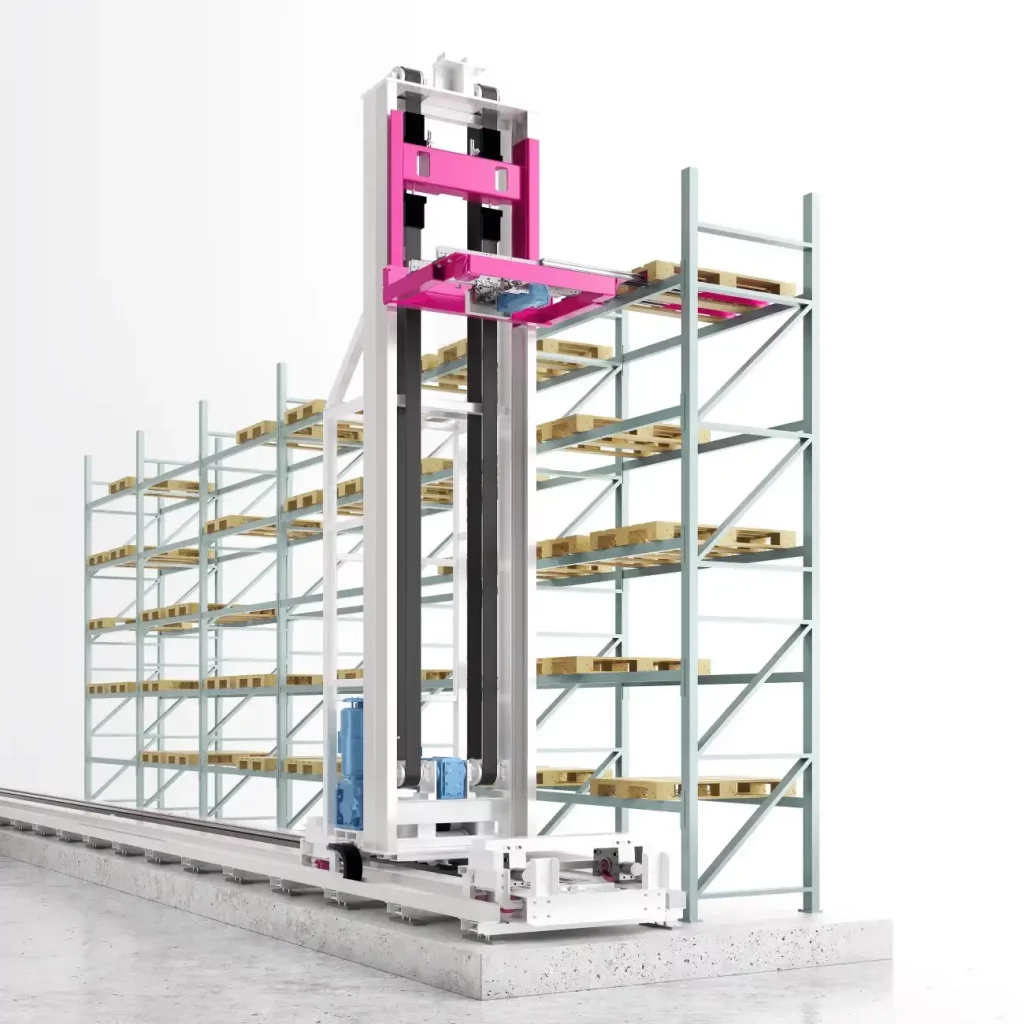
Storage systems are essential for storing goods in an organized and space-saving manner. They range from high-bay warehouses, which can accommodate large quantities of pallets or heavy goods, to automated small parts warehouses that enable fast and efficient retrieval of smaller items. Modern technologies often enable these systems to operate fully automatically and are connected to warehouse management systems.
Transport equipment and conveyor technology
Transport equipment and conveyor systems are responsible for the movement of goods within a company. Conveyor belts, roller conveyors, and autonomous transport systems enable an efficient material flow between storage, production, and shipping. These systems are complemented by manual or semi-automatic solutions such as forklifts, pallet jacks, and lifting stations, which ensure flexibility in the processes. In particular, lifting stations help optimize intralogistical processes by enabling the safe transport of heavy loads and can be seamlessly integrated into existing conveyor systems. In automated high-bay warehouses, stacker cranes (RBG) ensure fast and precise storage and retrieval of goods.
Handling technology
Handling technology focuses on the precise movement, positioning, and manipulation of goods. With lifting systems, grippers, and rotating mechanisms, goods can not only be transported but also precisely aligned or processed. This technology plays a crucial role in production processes where complex movements are required.
Additionally, portals are used, which, as multi-axis linear systems, are specifically designed for moving, stacking, and sorting heavy loads. Whether wooden pallets, stones, or other materials – with special grippers, even bulky or sensitive goods can be moved safely and efficiently.
Picking and packaging systems
Order picking and packaging systems assist in assembling orders and preparing goods for shipment. Automated picking systems such as Pick-by-Light or robotic solutions increase the speed and accuracy of order fulfillment. Packaging systems ensure that goods are properly protected and securely prepared for transport.
Control and IT systems
Digitalization plays a crucial role in intralogistics. Warehouse management systems, material flow controllers, and enterprise resource planning (ERP) systems manage and optimize processes in real-time. Sensors and IoT technologies provide transparency and enable the monitoring and analysis of all material movements.
Identification systems
Identification systems such as barcode scanners, RFID technology, and QR codes ensure seamless tracking of goods. They enable fast and error-free data capture, playing a crucial role in process security and efficiency.
Safety and monitoring systems
To ensure the safety of employees, goods, and equipment, fire alarm systems, surveillance cameras, and access control systems are used. These technologies protect against theft and damage and ensure compliance with safety standards in warehouses and production environments.
The importance of conveyor technology in intralogistics
Conveyor technology plays a central role in intralogistics as it is responsible for the efficient flow of materials within a company. It ensures that raw materials, semi-finished products, and finished goods are moved quickly, safely, and precisely between storage, production, and shipping. By using conveyor systems, the material flow is optimized, reducing lead times and minimizing manual tasks.
Custom handling systems from ALFATEC for intralogistics
At Alfatec, we offer customized handling systems for intralogistics and other sectors, designed for precise positioning and the safe transport of materials. Our systems are specifically tailored to meet the requirements of our customers, enabling the efficient handling of heavy loads – even under challenging conditions.
Automated lifting systems for greater safety and efficiency
Our lifting systems for intralogistics are designed for maximum efficiency and safety, ensuring the secure transport of loads with high acceleration and speed to optimize intralogistical processes.
Types of handling systems for intralogistics
In intralogistics, there are various handling systems tailored to different requirements and applications. These systems perform specific tasks and contribute to improving efficiency and precision in production.
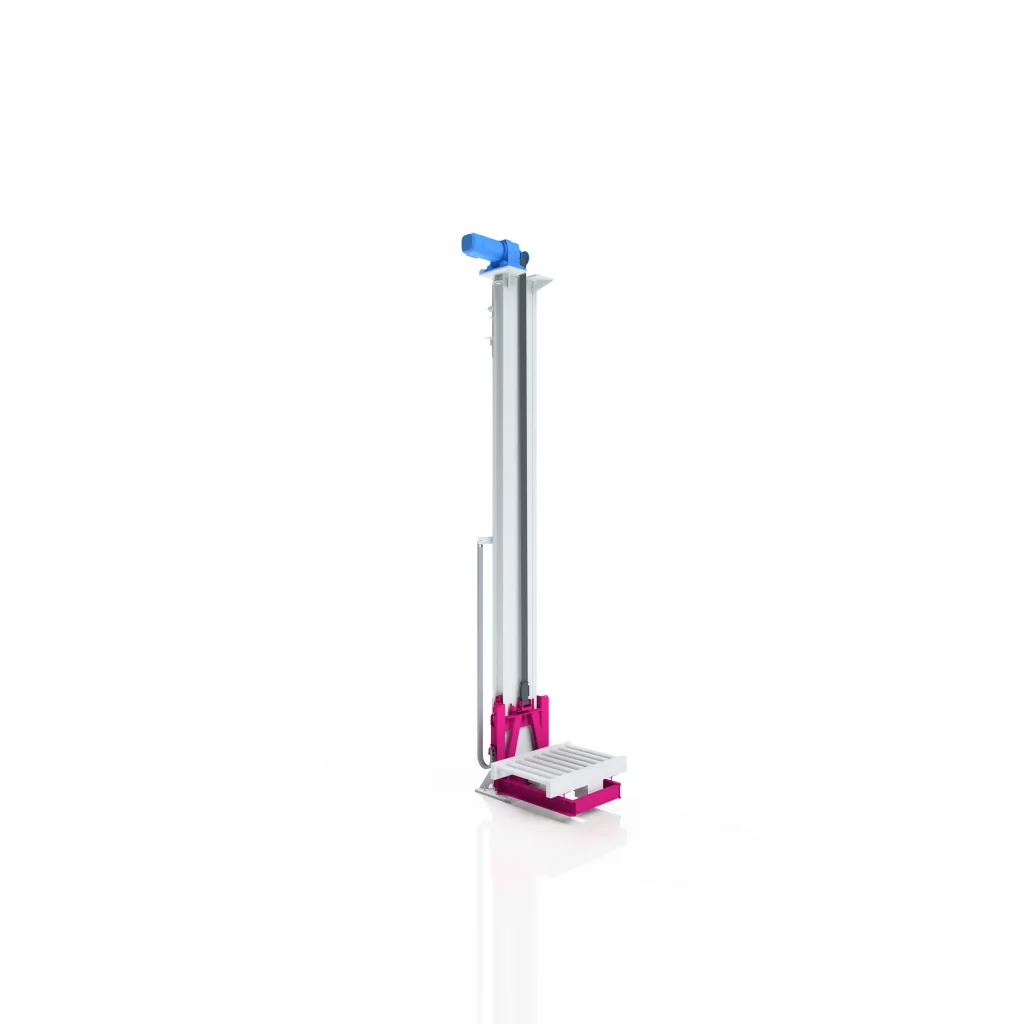
Pallet Lifter
Pallet lifters are available in various versions, specially designed to meet the diverse requirements of different industries and applications. Particularly in intralogistics, they are known for their high load capacity, large lifting heights, and fast operating speeds.
Lifting and Travel Systems
Lifting and travel systems, also known as stacker cranes (RBG), enable the vertical and horizontal lifting and movement of loads. They are used in automated high-bay warehouses and ensure quick and precise loading and unloading of goods. The ALFA-Speed rollers ensure smooth and low-maintenance operation.
Load Lifters
Load lifters can effortlessly lift heavy loads vertically to great heights and offer customized solutions for intralogistics and other applications – whether in large canteens for smooth food supply or as freight elevators to transport goods between different levels.
Linear Units
Linear units are designed for high speeds. They are characterized by highly precise positioning and are the dynamic solution for robotic applications. In the form of heavy-duty linear units (SLE), they are designed for high load capacities.
What are the advantages of automating intralogistics?
In recent years, automation, digitalization, and increasing customer demands have driven companies to continuously optimize their internal logistics processes. In automated intralogistics, computer-controlled conveyor technology, machines, and robots increasingly take over tasks that were previously carried out manually by employees. These processes can be either partially or fully automated. The goal is to increase the efficiency, speed, and accuracy of logistics operations while simultaneously reducing costs and errors. Moreover, automation enables more precise inventory control and optimized space utilization, which leads to increased competitiveness and sustainable operational optimization in the long term.
What does Intralogistics 4.0 mean?
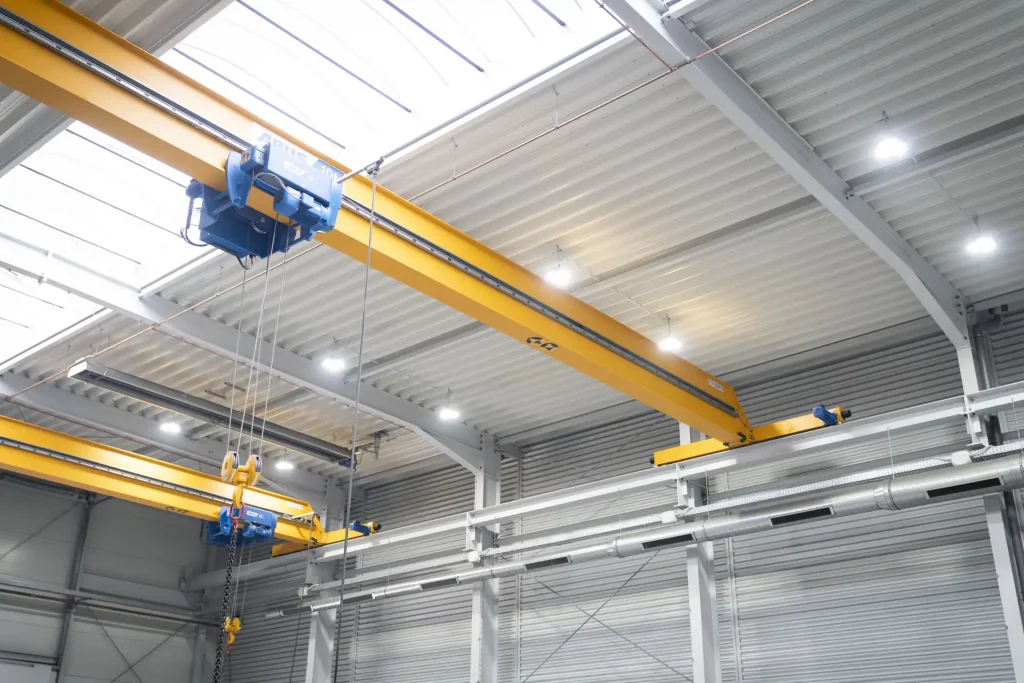
Intralogistics 4.0 refers to the digitalization and networking of internal logistics processes within the framework of Industry 4.0. The goal is to increase efficiency, transparency, and flexibility in intralogistics using modern technologies such as the Internet of Things (IoT), Artificial Intelligence (AI), Big Data, and autonomous systems.
Intralogistics summarized:
Intralogistics refers to all the logistical processes within a company that are responsible for the internal flow of materials and goods. It includes the planning, control, and execution of tasks such as storage, transportation, order picking, and inventory management. The goal of intralogistics is to make these processes efficient and cost-optimized to support the production and supply chain. Modern technologies such as automated conveyor systems, control systems, and software solutions are used to enable smooth and rapid handling of logistical operations. Well-organized intralogistics contributes to reducing costs, improving throughput times, and increasing a company’s competitiveness.